Ingredient profile
Monoammonium Glycyrrhizinate in Cinna Harmony: The Licorice Line
Monoammonium glycyrrhizinate is a salt of glycyrrhizin, the sweet compound in licorice root. Cinna Harmony lists it 18th of 22 in its blend, so it weighs at most about 11 mg per 1 mL serving. It brings no blood sugar benefit in our sources. Glycyrrhizin is a safety flag for people with high blood pressure, heart or kidney problems.
Written by the Cinna Harmony editorial teamUpdated
On the label
What is monoammonium glycyrrhizinate in Cinna Harmony?
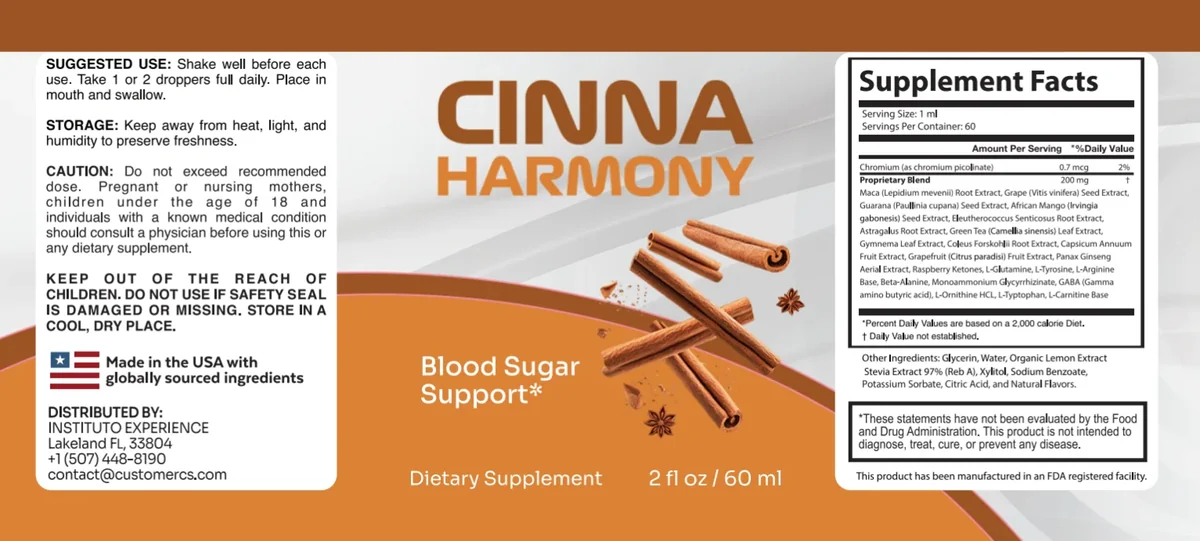
It is a licorice compound. Glycyrrhizin is the main sweet substance in licorice root, and monoammonium glycyrrhizinate is one of its salts. Cinna Harmony lists it 18th in the 200 mg blend.
The label does not say why it is there. The sales page does not mention it. Its most likely job is taste: a little sweetness and a licorice note in a liquid that is also sweetened with stevia and xylitol.
| Label name | Monoammonium Glycyrrhizinate |
|---|---|
| What it is | A salt of glycyrrhizin, the sweet compound in licorice root |
| Type | Licorice-derived sweetener |
| Position on the label | 18 of 22 in the blend |
| Amount per serving | Not printed (at most about 11 mg per serving) |
| What research shows | Glycyrrhizin can cause heart rhythm problems, more likely with large amounts or long use |
| Strength of evidence | A safety flag, not a benefit |
| Why it is in the formula (brand view) | Probably sweetness and flavor |
| Main caution | People with high blood pressure, heart or kidney disease, or a salty diet should ask a clinician first. |
Blend math
How much licorice compound is in a Cinna Harmony dropper?
A small amount, but no number is printed.
At most about 11 mg per serving. Blend ingredients are listed heaviest first (FDA, Labeling guide), so the 18th ingredient can weigh no more than 200 divided by 18. The real amount could be lower.
| How much you take | Blend per day | Licorice compound, at most |
|---|---|---|
| 1 dropper a day | 200 mg | About 11 mg |
| 2 droppers a day (label maximum) | 400 mg | About 22 mg |
| Exact amount | Printed | Not published |
The label says "Do not exceed recommended dose." Two droppers is the top of that range. Read the dose details on the how to use page.
Its role
Is licorice a blood sugar ingredient?
Not in any source we checked. It reads as a flavor helper.
Sweetness and flavor
Glycyrrhizin is the sweet part of licorice. In a drop placed in the mouth, taste matters.
None shown
NCCIH's licorice summary lists risks, not a blood sugar role (NCCIH, Licorice). The sales page does not claim one.
A known safety flag
Glycyrrhizin is the part of licorice tied to heart rhythm and blood pressure effects (NCCIH, Licorice).
No trial has tested Cinna Harmony. The ADA does not recommend herb supplements for blood sugar benefit (ADA, Standards of Care 2026).
Safety
What are the risks of glycyrrhizin?
The main risks are high blood pressure and heart rhythm problems. NCCIH says glycyrrhizin can cause serious effects, including an irregular heartbeat and, rarely, cardiac arrest (NCCIH, Licorice).
Those effects are more likely with large amounts or long use. But NCCIH also says even small amounts have been linked to severe effects in people with high blood pressure. People with heart or kidney conditions, or who eat a lot of salt, may react to smaller amounts too (NCCIH, Licorice). Large amounts of licorice are unsafe in pregnancy.
Ask your clinician before you start, even though the amount per dropper is small. Bring a list of every other licorice product you use.
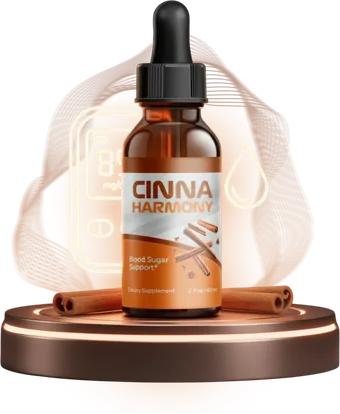
Try Cinna Harmony, 1 or 2 droppers a day2, 3 or 6 bottles · free US shipping on 3 and 6 · 60-day guarantee
Order nowQuick check
Should you ask a clinician before taking Cinna Harmony?
Five questions. Question 3 covers the licorice compound.
The checklist is not medical advice. More on who the drops suit is on the who it's for page.
Practical steps
How can you lower your licorice exposure?
Count every source
Licorice shows up in candy, teas and other supplements. The amounts add up.
Stay at 1 or 2 droppers
Never take more than the label allows. More drops means more glycyrrhizin.
Check your blood pressure
If you track it at home, keep doing so for the first weeks and share the numbers.
Know the warning signs
A racing or uneven heartbeat, new swelling or rising readings mean stop and call your clinician.
Other ingredients
What sits near licorice on the Cinna Harmony label?
Eight amino acids surround it at the end of the blend, from L-glutamine to L-carnitine. The side effects page gathers every caution in one place.
FAQ
Licorice in Cinna Harmony: common questions
Does Cinna Harmony contain licorice?
It contains a licorice compound, not licorice root. The label lists monoammonium glycyrrhizinate, a salt of glycyrrhizin, 18th of 22 in the blend. By label order it weighs at most about 11 mg per 1 mL serving. The exact amount is not printed.
Is glycyrrhizin bad for high blood pressure?
It can be. NCCIH says even small amounts of glycyrrhizin have been linked to severe effects in people with high blood pressure, and it can cause an irregular heartbeat. If you have high blood pressure, ask your clinician before taking any product that lists it.
Why is licorice in a blood sugar supplement?
The label does not say, and the sales page does not mention it. Glycyrrhizin is the sweet part of licorice, so its likely role is taste. None of our sources show a blood sugar benefit for it.
Can I take Cinna Harmony with kidney disease?
Ask your clinician first. The licorice compound may affect people with kidney conditions at smaller amounts, and African mango extract was linked to kidney failure in one person with kidney disease. The label asks anyone with a known medical condition to consult a physician.
Is monoammonium glycyrrhizinate safe in pregnancy?
Not something to try without your doctor. NCCIH says large amounts of licorice during pregnancy are unsafe, and the Cinna Harmony label tells pregnant or nursing mothers to consult a physician before use. The amount in each dropper is small but not printed.
How much glycyrrhizinate do two droppers of Cinna Harmony give?
At most about 22 mg a day, if a dropper holds about 1 mL. That is our ceiling from label order, not a lab result. The label sets 2 droppers as the most you should take in a day.
Who wrote this
Written and reviewed by
Plain-language pages built from the label, the sales page and linked public health sources.
Last updated . Read our editorial standards and how we check reviews. This website is run by Cinnaharmonys, a USA Authorized Cinna Harmony Retailer, not by the manufacturer. We earn money when you buy through our order links.
Keep reading
More about Cinna Harmony
Side effects
Every caution tied to a named ingredient, the warning signs that need care, and how to stop safely.
Read more
Who it's for
Who the drops are labeled for, who should talk to a clinician first, and who is better served elsewhere.
Read more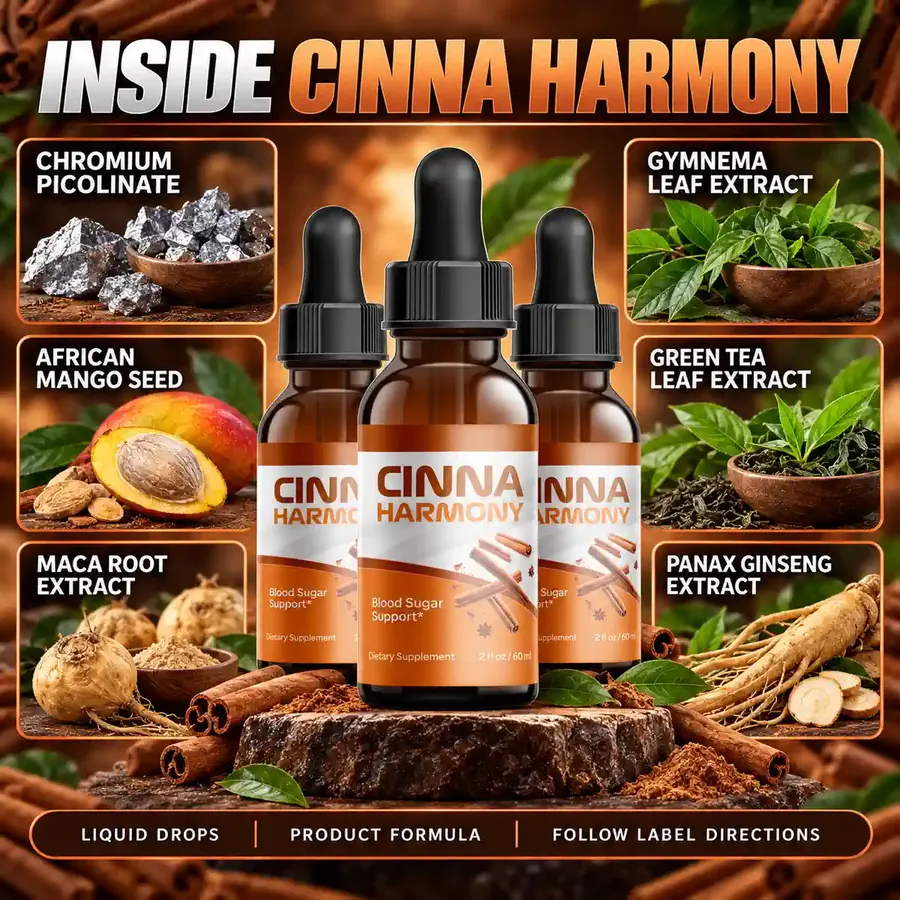
Ingredients
All 23 active ingredients and the nine others, in label order, with the blend math and the missing cinnamon.
Read moreUSA Authorized Cinna Harmony Retailer
Ready to try Cinna Harmony?
Pick a pack on the sales page. 1 or 2 droppers a day, 30 to 60 days per bottle. Guarantee: 60 days from purchase.
- Order on the sales page
- 60 days from purchase
- Label email: [email protected]