Know your numbers
Normal A1C and Fasting Glucose: A Cinna Harmony Guide
A normal A1C is under 5.7% and a normal fasting glucose is 99 mg/dL or lower for adults who are not pregnant. Readings of 5.7% to 6.4% or 100 to 125 sit in the prediabetes range. This guide shows how to read both numbers and what to note while using Cinna Harmony.
Written by the Cinna Harmony editorial teamUpdated · 8 min read
The ranges
What do A1C and fasting glucose results mean?
Each test sorts a result into one of three ranges. Enter a number from your lab report to see where it lands.
| Range | A1C | Fasting plasma glucose | What usually happens next |
|---|---|---|---|
| Normal | Below 5.7% | 99 mg/dL or lower | Routine checks, as your clinician advises |
| Prediabetes | 5.7% to 6.4% | 100 to 125 mg/dL | Lifestyle steps and a repeat test |
| Diabetes range | 6.5% or above | 126 mg/dL or above | Usually confirmed with a second test |
Test 1
What does an A1C test measure?
A1C shows the share of your hemoglobin that has sugar attached, given as a percent. Because red blood cells live for a few months, it works as a long-view average of blood sugar, not a reading from one moment.
That makes it steady. One big meal or one bad night does not move it much. It is also why a supplement or a new habit cannot show up in an A1C within days. Changes take months to appear, which is why clinicians space the tests out.
A move from 6.1% to 5.8% is a real change in average blood sugar, even though the numbers look close. Small decimal shifts matter on this scale.
Test 2
What does a fasting glucose test show?
Fasting plasma glucose is your blood sugar at one point in time, after a period without food. It is reported in milligrams per deciliter, written mg/dL.
Because it is a snapshot, it can shift from day to day with sleep, stress, illness and the evening meal before. Follow the fasting instructions your lab gives you. A result of 100 to 125 mg/dL is in the prediabetes range, and 126 or higher is in the diabetes range (NIDDK, Diabetes tests).
- Write down the date, the number and anything unusual that day.
- Compare results from the same kind of test over time.
- Bring your log to each visit.
Diagnosis
Why do doctors repeat a blood sugar test?
To make sure one reading was not a fluke. NIDDK notes that a diagnosis of diabetes is usually confirmed with a second test (NIDDK, Diabetes tests). The repeat might be the same test on another day or a different test, such as an A1C after a fasting glucose.
That matters for how you read your own results. One number in the prediabetes or diabetes range is a reason to talk with your clinician, not a reason to panic. It is also not a reason to self-treat with supplements before you know the full picture.
Act now
Which blood sugar readings need help right away?
Very low and very high readings both need fast action. For many people with diabetes, low blood sugar means a reading below 70 mg/dL (NIDDK, Hypoglycemia). Shakiness, hunger, dizziness, confusion, irritability, a fast heartbeat and headache are common signs. Treat it right away, and get emergency help for fainting or a seizure.
Very high readings with extreme thirst or confusion need prompt medical care. Insulin, sulfonylureas and meglitinides are the diabetes medicines most tied to lows (NIDDK, Hypoglycemia).
Try Cinna Harmony, 1 or 2 droppers a day2, 3 or 6 bottles · free US shipping on 3 and 6 · 60-day guarantee
Order nowMoving the numbers
What actually improves A1C and fasting glucose?
The tested answers are lifestyle change and, when prescribed, medicine. In the Diabetes Prevention Program, a lifestyle program cut the chance of type 2 diabetes by 58% and metformin by 31% (NIDDK, DPP).
Move more
The program aimed for 150 minutes of activity a week. Walking counts.
Modest weight loss
The goal was about 7% of body weight, lost gradually.
Medicine if advised
Metformin and other drugs are your clinician's call, based on your results.
A structured plan for people in the middle range is in our prediabetes guide.
Supplements
Can Cinna Harmony change your A1C or fasting glucose?
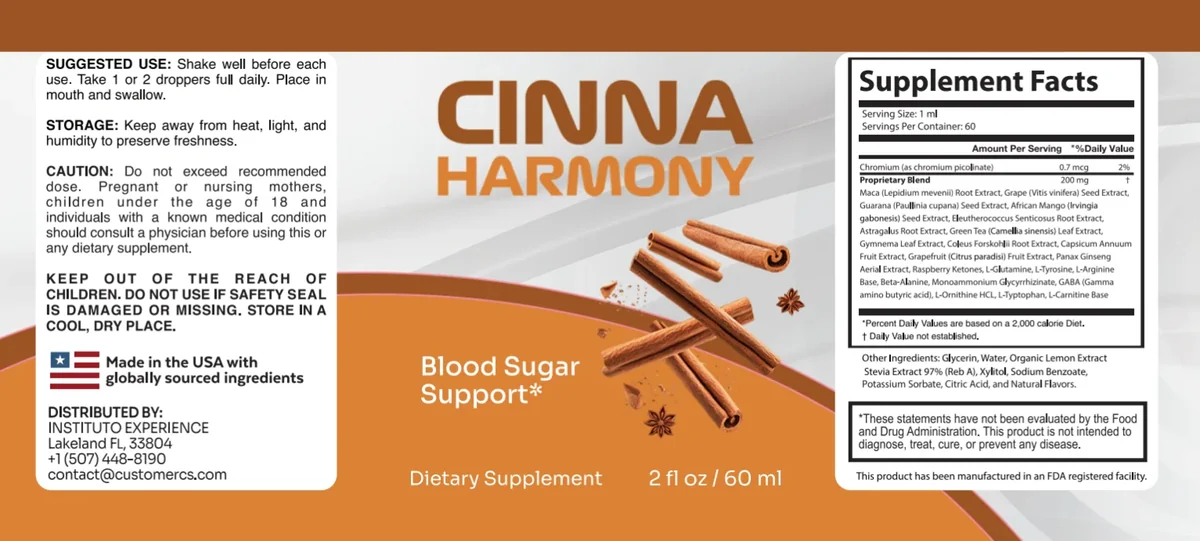
No study has measured that. Cinna Harmony has no published trial, and the ADA says herb, spice and chromium supplements are not recommended for blood sugar benefit (ADA, Standards of Care 2026).
It lists 0.7 mcg of chromium per 1 mL serving, 2% of the Daily Value, plus a 200 mg blend with hidden amounts. The name suggests cinnamon, but the label lists none. If you try it, test the way you always do and let your clinician judge any change. Our results timeline explains what to expect and when to recheck.
Taking it with insulin or diabetes pills? Read supplements and diabetes medicines first.
Your log
How should you track your numbers over time?
Keep one log
A notebook or a phone note works. Record the date, the test type and the result.
Note what changed
New medicine, new supplement, illness, travel. Context helps your clinician read a trend.
Look at the trend
Compare results over months, not single days. A1C especially moves slowly.
Your clinician can tell you which test to repeat and when.
FAQ
A1C and fasting glucose FAQ
What is a normal A1C for adults?
For adults who are not pregnant, an A1C below 5.7% is in the normal range. From 5.7% to 6.4% is prediabetes, and 6.5% or above is the diabetes range. Your clinician may set a different personal target if you already have diabetes.
Is an A1C of 6.0 bad?
An A1C of 6.0% falls in the prediabetes range, which runs from 5.7% to 6.4%. It is a warning sign, not a diagnosis of diabetes. Lifestyle steps tested in a large trial lowered the chance of type 2 diabetes by 58%, so it is a good time to act.
What fasting blood sugar level is dangerous?
Readings below 70 mg/dL with symptoms such as shakiness or confusion need treatment right away. Very high readings with extreme thirst or confusion need prompt medical care. A fasting result of 126 mg/dL or above is in the diabetes range and should be discussed with your clinician.
Which is more accurate, A1C or fasting glucose?
They measure different things. A1C reflects average blood sugar over the past few months, while fasting glucose is a single moment. Both are used to diagnose prediabetes and diabetes, and doctors usually confirm a result with a second test.
How long does it take to lower A1C?
A1C changes slowly because it reflects blood sugar over several months, so clinicians usually wait a few months between tests. Steady changes to food, activity and any prescribed medicine are what move it. No supplement has proven it can lower A1C.
Will Cinna Harmony show up on my A1C results?
No study has measured any effect of Cinna Harmony on A1C or fasting glucose. It lists a trace of chromium and a 200 mg blend, with no cinnamon. If you use it, keep testing as usual and let your clinician judge your results.
What is a normal fasting glucose number before using Cinna Harmony?
A fasting glucose of 99 mg/dL or lower is normal for adults who are not pregnant. A reading of 100 to 125 is the prediabetes range. Write your baseline down before starting Cinna Harmony so you can compare later with your clinician.
How often should I check A1C while taking Cinna Harmony?
The post suggests picking a lab date with your clinician and keeping a daily log. A1C reflects a longer window, so one test at the start and one later is a simple plan. No study shows Cinna Harmony changes these numbers.
What is the prediabetes range for A1C and fasting glucose?
An A1C of 5.7% to 6.4% or a fasting glucose of 100 to 125 mg/dL sits in the prediabetes range. Share any reading in that range with your clinician.
Who wrote this
Written and reviewed by
Plain-language pages built from the label, the sales page and linked public health sources.
Last updated . Read our editorial standards and how we check reviews. This website is run by Cinnaharmonys, a USA Authorized Cinna Harmony Retailer, not by the manufacturer. We earn money when you buy through our order links.
Keep reading
More about Cinna Harmony
Prediabetes guide
What prediabetes numbers mean, the steps with real evidence, and an honest look at where supplements fit.
Read more
Results timeline
No study gives Cinna Harmony a timeline. Here is what you can check at day 1, day 30, day 60 and beyond.
Read more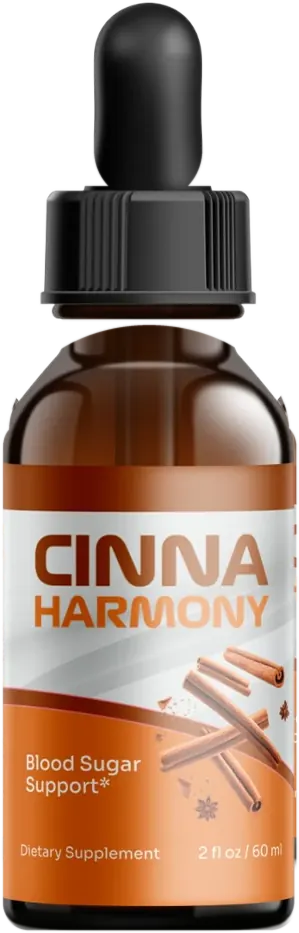
Supplements and diabetes medicines
Which diabetes medicines carry the most risk of lows, which supplement ingredients may add to them, and what to watch for.
Read moreUSA Authorized Cinna Harmony Retailer
Ready to try Cinna Harmony?
Pick a pack on the sales page. 1 or 2 droppers a day, 30 to 60 days per bottle. Guarantee: 60 days from purchase.
- Order on the sales page
- 60 days from purchase
- Label email: [email protected]